How to Choose the Right Fabric for Comforters
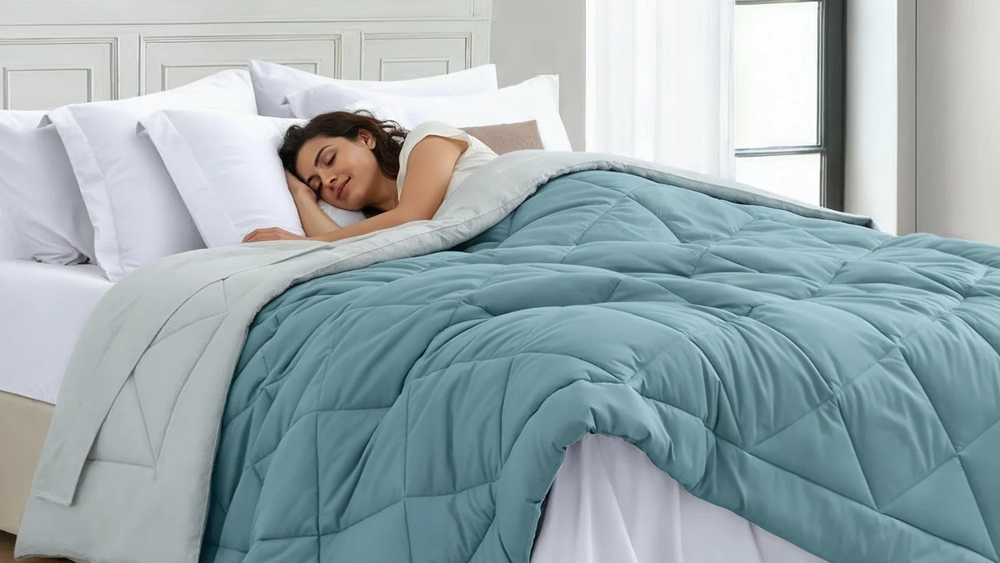
If you’ve ever compared two comforters that look almost identical in photos but feel completely different in person, you already understand why fabric choice matters so much in bedding. The filling gets most of the attention in marketing, but the outer fabric — its weave, texture, and finish — is what actually touches your skin every night, determines how the comforter drapes, and decides how well it holds up after a hundred washes.
Whether you’re a retailer sourcing bedding for your store, a hotel buyer stocking rooms, or simply someone trying to understand what you’re actually paying for, this guide breaks down the fabric choices that go into a good comforter and how to tell quality from marketing fluff.
Why Fabric Choice Matters More Than People Realize
A comforter is really two things stitched together: the fill (down, down-alternative, cotton, or synthetic fiber) and the shell fabric that encases it. Most buyers focus heavily on the fill weight or fill power, assuming that’s what determines warmth and comfort. In reality, the shell fabric plays an equally important role.
The shell fabric determines:
- How soft the comforter feels against skin
- Whether the fill stays evenly distributed or shifts and clumps over time
- How breathable or heat-trapping the comforter is
- How well it resists pilling, tearing, and fading
- How the comforter looks — matte, glossy, textured, or flat
A high-quality fill wrapped in a cheap, thin, or poorly woven shell fabric will underperform a mid-range fill wrapped in a well-constructed shell. This is why experienced buyers spend as much time evaluating shell fabric as they do the filling itself, often working directly with a textile supplier to understand exactly what’s going into the shell before committing to a production run.
Common Fabric Types Used in Comforters
Cotton
Cotton is prized for its breathability and natural feel. It’s a popular choice for warm climates or people who tend to sleep hot, since it allows better airflow than most synthetic alternatives. The downside is that pure cotton can wrinkle more easily and, depending on thread count, may not have the same durability as polyester over years of heavy washing.
Polyester
Polyester has become the dominant fabric choice for mass-market and mid-to-premium comforters alike, and for good reason. It resists wrinkles, holds its shape after washing, dries quickly, and can be engineered into an enormous range of textures and finishes — from silky satin-like weaves to structured, textured surfaces. It’s also significantly more affordable to produce at scale than natural fibers, which matters a great deal for anyone sourcing bedding in bulk.
Cotton-Polyester Blends
Blended fabrics attempt to capture the best of both worlds: the breathability and soft hand-feel of cotton with the durability and wrinkle resistance of polyester. Blend ratios vary significantly (50/50, 60/40, 80/20), and the exact ratio has a real impact on how the finished comforter performs, so it’s worth asking suppliers for specifics rather than accepting a vague “cotton blend” description.
Microfiber
Technically a type of polyester, microfiber is woven from extremely fine fibers, producing an ultra-soft, almost brushed feel. It’s a popular choice for budget-friendly comforters because it mimics the softness of higher-end materials while remaining inexpensive to manufacture at scale.
What Is Embossed Polyester Fabric, and Why Does It Matter for Comforters?
One fabric finish that’s become increasingly popular in comforter and duvet manufacturing is embossed polyester — a material created by pressing raised patterns into the fabric surface using heat and pressure. Instead of relying purely on printed designs, which are flat and only visual, embossing physically reshapes the fabric to create texture you can both see and feel.
This matters for comforters specifically because embossed patterns add a tactile, premium quality that plain or simply printed fabrics can’t replicate. A comforter with an embossed floral or geometric pattern has visual depth and dimension that catches light differently depending on the angle, giving it a more upscale appearance without necessarily increasing the cost of the fill itself.
Because polyester holds heat-set patterns exceptionally well, it’s particularly well-suited to embossing compared to many other fibers. Suppliers specializing in embossed polyester fabric explain that the raised texture stays intact through repeated washing when the embossing process is done correctly, which is a key differentiator between well-manufactured comforters and ones where the pattern flattens out after just a few wash cycles.
For buyers evaluating suppliers, it’s worth asking specifically how the embossing is done — flat embossing produces a subtler texture suited to elegant, understated bedding, while deeper 3D embossing creates a more dramatic, dimensional look often used in premium product lines.
Thread Count and GSM: What They Actually Tell You
Thread count gets thrown around constantly in bedding marketing, but it’s often misunderstood or misused, especially for synthetic fabrics where the metric doesn’t translate as directly as it does for cotton. For polyester and blended fabrics, GSM (grams per square meter) is often a more reliable indicator of fabric weight and density.
Higher GSM generally means a heavier, more substantial fabric — useful for comforter shells that need to hold their shape and resist showing the fill through the surface. Lower GSM fabrics are lighter and more breathable but can sometimes feel thinner or less durable over time. Neither is inherently “better” — the right GSM depends on the intended climate, season, and price point of the finished product.
Durability: What Makes a Comforter Fabric Last
If you’re sourcing comforters for retail, hospitality, or long-term personal use, durability should weigh heavily in your fabric decision. A few factors determine how well a fabric holds up over time:
Abrasion resistance. Fabrics that resist friction damage hold their appearance longer, especially important for comforters that get washed frequently or used in high-turnover settings like hotels.
Colorfastness. A well-dyed or well-printed fabric shouldn’t fade significantly after repeated washing. This is particularly relevant for darker colors and bold patterns, which show fading more visibly than lighter shades.
Pilling resistance. Lower-quality synthetic fabrics tend to develop small fiber balls (pilling) after friction and washing, which makes even a new-looking comforter appear worn prematurely. Higher-grade polyester weaves resist this significantly better than cheap alternatives.
Shape retention. A quality shell fabric should hold its structure and not stretch out of shape, especially around seams and edges where stress accumulates over repeated use.
Asking suppliers for test results on these specific properties — rather than relying on vague marketing language — is one of the most reliable ways to separate genuinely durable fabric from fabric that merely looks good in initial photos.
Sourcing Considerations for Bulk Buyers
For retailers, hotels, and wholesale buyers, sourcing comforter fabric involves a different set of considerations than a one-off retail purchase.
Minimum order quantities (MOQs). Fabric suppliers typically require bulk minimums, and these vary widely depending on the fabric type, customization level, and manufacturer. Understanding MOQs upfront prevents unpleasant surprises mid-negotiation.
Customization options. Established fabric manufacturers often offer custom colors, patterns, and embossing designs, which matters for retailers trying to differentiate their product line rather than sell the same generic comforter as every competitor.
Certifications. Standards like OEKO-TEX®, GRS (Global Recycled Standard), and ISO certifications signal that a fabric meets safety and environmental benchmarks. For buyers selling into markets with strict consumer safety regulations, these certifications aren’t optional extras — they’re often a requirement.
Sustainability. Recycled polyester has become increasingly available and is worth considering for buyers whose customers care about environmental impact. It offers similar performance characteristics to virgin polyester while reducing reliance on new petroleum-based material.
Lead times and production capacity. Especially for buyers ordering ahead of seasonal demand, understanding a supplier’s production timeline and capacity for bulk orders is critical to avoiding stockouts.
Care Instructions Buyers Should Communicate to Customers
Fabric choice also affects how a comforter should be cared for, and communicating this clearly reduces returns and complaints:
- Polyester and polyester-blend comforters generally do best in warm (not hot) water and low-heat drying.
- High heat can cause synthetic fibers to lose their softness or, in embossed fabrics, flatten the raised pattern over time.
- Harsh detergents and bleach can degrade both color and texture faster than gentle detergents.
- Air-drying or low-heat tumble drying preserves both the fill’s loft and the shell fabric’s texture longer than high-heat drying cycles.
Including simple, clear care instructions with a product — rather than generic “machine washable” labeling — helps set realistic expectations and extends the useful life of the comforter.
Final Thoughts
Choosing the right comforter fabric isn’t just about softness at first touch — it’s about how the fabric performs over months and years of regular use. Polyester, cotton, blends, and specialty finishes like embossed textures each bring different strengths to the table, and the right choice depends on your specific priorities: breathability, durability, appearance, cost, or some balance of all four.
For buyers sourcing at scale, working with an experienced textile supplier such as joyilife.com who can provide clear specifications, testing data, and certification documentation makes the difference between a comforter line that performs well for years and one that generates complaints within a single season. Taking the time to understand fabric fundamentals — rather than relying purely on how a sample feels in a showroom — pays off significantly once a product is in full production and reaching real customers.