India Cricket: A Complete Guide to the Passion, History, and Future of Indian Cricket
Introduction
India Cricket is more than just a sport; it is an important part of the country’s culture, entertainment, and national identity. Cricket has millions of followers across India and is watched with enormous enthusiasm by people of different ages and backgrounds. From international Test matches to fast-paced T20 games, Indian cricket has developed into one of the most influential cricketing systems in the world.
The journey of India cricket has included legendary players, memorable victories, difficult periods, and the emergence of new stars. The Indian national team competes in all three major international formats: Test cricket, One Day Internationals (ODIs), and Twenty20 Internationals (T20Is). India has also developed a strong domestic cricket structure and one of the world’s most popular professional T20 competitions, the Indian Premier League (IPL).
History of India Cricket
Cricket was introduced to India during the British colonial period. Over time, the game spread from major cities to smaller towns and became increasingly popular among Indian communities. India played its first Test match in 1932 against England at Lord’s in London.
In the early years, Indian cricket was still developing, but the sport gradually gained strength. After independence in 1947, cricket became an important part of India’s sporting identity. The national team produced talented players and began achieving significant results internationally.
One of the most important moments in Indian cricket history came in 1983, when India won the Cricket World Cup under the captaincy of Kapil Dev. The victory had a major impact on the popularity of cricket in the country and inspired a new generation of players.
Indian Cricket Team
The India men’s cricket team is governed by the Board of Control for Cricket in India (BCCI). The team represents India in international competitions and bilateral series against other cricket-playing nations.
Indian teams traditionally have had strong batting line-ups, but the country’s bowling resources have also developed considerably. In recent decades, India has produced successful fast bowlers, spinners, wicketkeepers, and all-rounders.
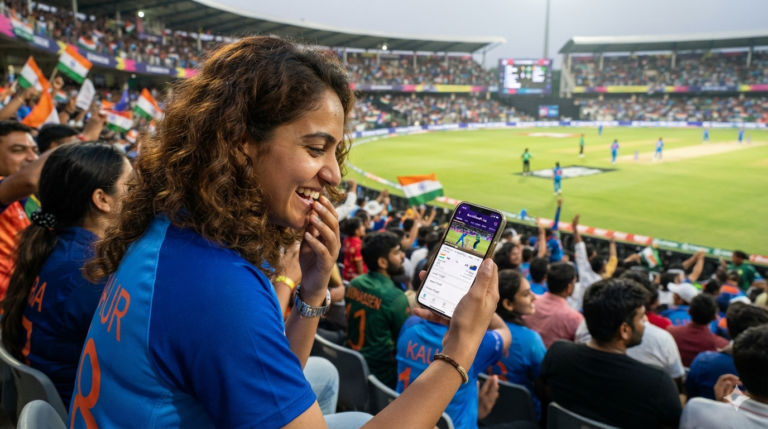
The team plays home matches at various stadiums across the country. Indian cricket supporters are known for their enthusiasm, and international matches involving India often attract large television and digital audiences.
Test Cricket in India
Test cricket is the longest format of the game and is played over up to five days. India has a long history in Test cricket and has developed a reputation for producing technically skilled batsmen and high-quality spin bowlers.
Playing Test cricket in India can provide challenging conditions because pitches may offer assistance to spin bowling, particularly as matches progress. At the same time, Indian fast bowlers have become increasingly important, especially when the team plays overseas.
India has also achieved notable success in Test series outside the country. Strong performances in Australia, England, South Africa, and other countries have demonstrated the growing depth of Indian cricket.
ODI Cricket and World Cups
One Day International cricket has played a major role in India’s cricket history. The 50-over format combines elements of Test and limited-overs cricket, requiring teams to balance patience with aggressive batting.
India won the Cricket World Cup in 1983 and again in 2011. The 2011 victory was particularly memorable because India hosted much of the tournament and defeated Sri Lanka in the final in Mumbai.
Indian cricket has also produced many outstanding ODI batsmen. Players capable of scoring quickly while maintaining consistency have helped India remain competitive in major international tournaments.
T20 Cricket and the IPL
Twenty20 cricket changed the cricketing landscape by introducing a shorter format designed for fast-paced entertainment. India became a major force in T20 cricket, particularly after the inaugural T20 World Cup victory in 2007.
The Indian Premier League was launched in 2008 and quickly became one of the most prominent domestic T20 competitions. It brings together Indian and overseas players and provides opportunities for emerging cricketers to play alongside experienced international stars.
The IPL has also influenced cricket training, sports broadcasting, sponsorship, and player development. Young players can gain valuable experience by competing against high-level opposition.
Legendary Indian Cricketers
India has produced many famous cricketers who have made significant contributions to the sport. Sunil Gavaskar was one of the first Indian batsmen to achieve extraordinary success in Test cricket. Kapil Dev became famous for his all-round abilities and leadership during India’s 1983 World Cup triumph.
Sachin Tendulkar is another central figure in Indian cricket history. During his long international career, he established numerous batting records and became one of the most recognizable cricketers worldwide.
Other important players include Rahul Dravid, Anil Kumble, Sourav Ganguly, MS Dhoni, Virat Kohli, Rohit Sharma, and many others. Each has contributed to Indian cricket in different ways, including batting, bowling, wicketkeeping, leadership, and mentoring younger players.
Domestic Cricket in India
The domestic cricket system provides the foundation for India’s international teams. The Ranji Trophy is India’s premier first-class cricket competition and has been an important pathway for players seeking national selection.
Other competitions, including the Vijay Hazare Trophy and Syed Mushtaq Ali Trophy, provide opportunities in limited-overs cricket. These tournaments allow selectors to identify talented players and give young cricketers experience in competitive environments.
The domestic system is important because India’s large population produces a huge pool of cricketing talent. Structured competitions help players develop their technical and tactical skills before moving to the international level.
Women’s Cricket in India
Women’s cricket has grown substantially in India. The India women’s national cricket team competes internationally in Tests, ODIs, and T20Is.
Players such as Mithali Raj and Jhulan Goswami became major figures in women’s cricket and helped increase public interest in the women’s game. More recently, professional competitions and increased media coverage have created additional opportunities for female cricketers.
The Women’s Premier League has further expanded the professional environment for women’s T20 cricket in India. It provides a platform where domestic and international players can compete together.
Cricket Stadiums in India
India has many famous cricket stadiums that host domestic and international matches. Eden Gardens in Kolkata, Wankhede Stadium in Mumbai, M. Chinnaswamy Stadium in Bengaluru, Narendra Modi Stadium in Ahmedabad, and MA Chidambaram Stadium in Chennai are among the country’s well-known cricket venues.
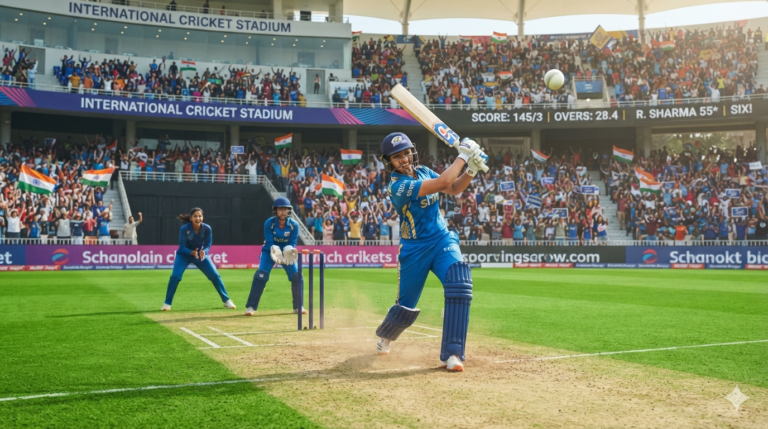
These stadiums can create memorable atmospheres during major matches. Large crowds, traditional rivalries, and passionate supporters contribute to the unique experience of watching cricket in India.
The Future of India Cricket
The future of India cricket will depend on continued investment in player development, coaching, fitness, infrastructure, and domestic competitions. The growth of T20 cricket is creating new opportunities, while Test and ODI cricket remain important parts of the international game.
Technology is also changing cricket. Video analysis, fitness monitoring, data analytics, and modern training methods are increasingly used to improve player performance.
India’s large talent pool means that new players are likely to continue emerging from domestic cricket. At the same time, the increasing popularity of women’s cricket is creating a broader and more diverse cricketing environment.
Conclusion
India cricket has developed from a sport introduced during the colonial era into one of the most important parts of India’s sporting culture. Its history includes World Cup victories, legendary players, major domestic competitions, and an enormous fan base.
From Test cricket and ODIs to T20 cricket and the IPL, India has become an influential force in the modern game. The continued development of domestic cricket, women’s cricket, young talent, and professional competitions will shape the next chapter of India’s cricket story. For millions of fans, India cricket remains a source of excitement, pride, entertainment, and unforgettable sporting memories.