Chicago Cubs vs Padres Match Player Stats: Key Highlights & Analysis
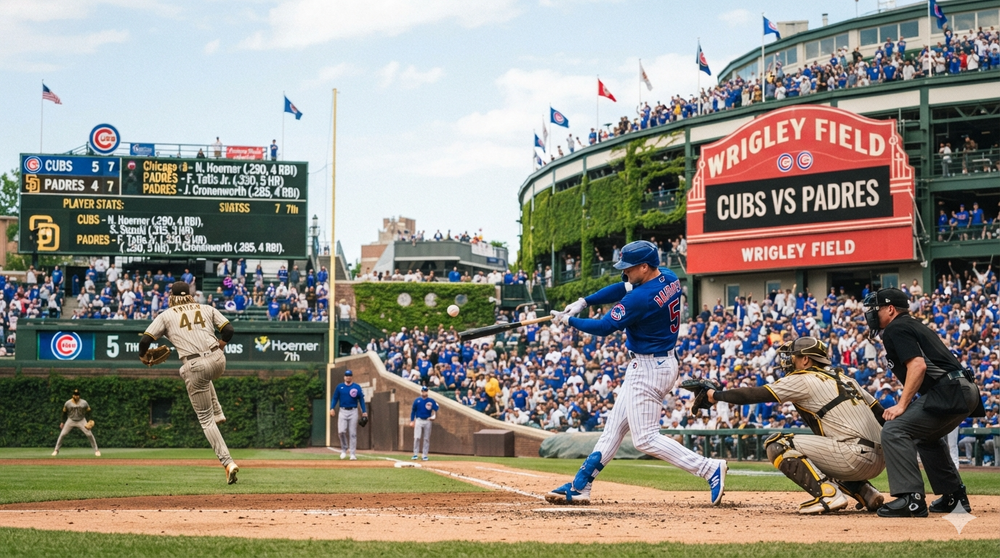
When the Chicago Cubs face off against the San Diego Padres, baseball fans know to expect fireworks. The recent 2026 series at Wrigley Field was no exception, as both teams brought intensity to the diamond. Understanding the Chicago Cubs vs Padres Match Player Stats match player stats is the best way to see how these games were truly decided. It isn’t just about the final score; it is about the individual moments that shifted the game’s momentum. In this guide, we break down the standout performers and the key numbers that define this exciting rivalry.
Why Player Stats Matter in This Matchup
Watching a game is fun, but looking at the chicago cubs vs padres match player stats tells you the real story. Stats help us see which players are in a “hot” streak and which ones are struggling to find their rhythm. By looking at home runs, RBIs, and pitching innings, we can see exactly how the Cubs managed to dominate the recent series. Whether you are a fantasy baseball fan or just love the game, knowing these numbers makes every pitch more exciting to track.
The Historic Performance by Dansby Swanson
Dansby Swanson stole the show during the July 1, 2026, game against the Padres. The chicago cubs vs padres match player stats from that day will be remembered for a long time. Swanson hit three massive home runs, including a grand slam. He finished with eight RBIs, which is the second-most in history for a player batting ninth. This was a legendary day that proved why the Cubs have been so successful at home this season. Swanson’s power is a major reason for the team’s winning streak.
Breaking Down the Cubs’ Scoring Explosion
The Cubs didn’t just win; they scored 23 runs in one game! This is the most runs they have scored in a home game since 1977. Looking at the chicago cubs vs padres match player stats, we see contributions from everywhere. Michael Conforto hit two home runs, while Seiya Suzuki, Pete Crow-Armstrong, and Michael Busch also joined the party. When a lineup hits like this, it is almost impossible for any team to keep up. It was a true team effort that electrified the Wrigley Field crowd.
Padres Pitching Struggles in the Series
It was a tough series for the San Diego pitchers. The chicago cubs vs padres match player stats show that starter Walker Buehler allowed nine runs in just four innings. Even catcher Rodolfo Duran had to come in to pitch the final two innings to help his team. These numbers highlight the difficulty the Padres faced against the Cubs’ heavy hitters. Pitching depth is always vital in baseball, and this series showed how one bad stretch can impact the outcome of a close game.
Seiya Suzuki’s Milestone Moment
Seiya Suzuki reached a very special milestone during the series. With his three-run home run, he became the fourth Japanese-born player in MLB history to reach 100 career home runs. This is a huge achievement in his professional journey. Fans looking at the chicago cubs vs padres match player stats can see his consistency at the plate. He joins legends like Shohei Ohtani and Ichiro Suzuki in the history books. It was a proud moment for him and his many supporters.
Key Hitting Statistics to Watch
When you review the chicago cubs vs padres match player stats, focus on categories like On-Base Percentage (OBP) and Slugging (SLG). These tell you how often a player gets on base and how much power they bring. Players like Pete Crow-Armstrong have shown great speed and power this year. Tracking these trends helps you understand why the Cubs have been winning. A high SLG number usually means the player is hitting lots of extra-base hits, which changes the game.
Understanding Pitching Efficiency
Pitching is more than just strikeouts. In the chicago cubs vs padres match player stats, look at how many innings a starter works and how many runs they allow. Colin Rea pitched five strong innings to earn a win for the Cubs. Meanwhile, Jordan Wicks provided a key save to help seal the victory. Pitchers who can work out of jams, like the ones Rea faced, are the ones who save their bullpen and win games.
Recent Series Overview Table
To get a quick look at the impact, here is a summary of the standout offensive performance from the July 1 game:
| Player | Hits | Runs | RBIs | Home Runs |
| Dansby Swanson | 3 | 4 | 8 | 3 |
| Michael Conforto | 3 | 4 | 4 | 2 |
| Seiya Suzuki | 3 | 3 | 3 | 1 |
| Michael Busch | 1 | 1 | 1 | 1 |
| Pete Crow-Armstrong | 1 | 1 | 1 | 1 |
The Impact of Wrigley Field Winds
The weather at Wrigley Field plays a big role in these games. With the wind blowing out toward center field, the chicago cubs vs padres match player stats saw a lot of home runs. Both teams combined for nine homers in the Tuesday game and nine more on Wednesday! The Cubs have a great record when the wind is blowing out. Players who can adjust their swing to the wind are the ones who succeed in this unique ballpark.
Looking Ahead at Future Matchups
The 2026 season still has many games left to play. Fans should keep watching the chicago cubs vs padres match player stats to see if the Padres can bounce back. The Padres have struggled recently, but they have a talented roster. The Cubs, meanwhile, are looking to hold their position in the standings. These teams play a competitive style of baseball that keeps fans on the edge of their seats all season long.
Conclusion
The chicago cubs vs padres match player stats provide a fascinating look at the 2026 baseball season. From historic home run games to key pitching milestones, every stat tells a story of hard work and skill. As we move through the summer, keep an eye on how these players perform under pressure. Which team do you think will come out on top in their next meeting? Share your thoughts with other fans and keep tracking the stats to see who stays on top!
Frequently Asked Questions (FAQ)
1. What are the most important player stats in a Padres Cubs game? The most important stats are usually hits, home runs, and RBIs, as they directly impact scoring. Pitching stats like ERA and innings pitched are also vital for determining game flow.
2. Why do analysts use OPS instead of batting average alone? OPS (On-Base Plus Slugging) combines how often a player gets on base and their power. It gives a much better picture of a player’s true offensive value.
3. How can I tell if a pitcher had a strong outing? Look at the innings pitched versus runs allowed. A pitcher who works many innings while allowing few runs is usually having a very strong, effective day.
4. Do defensive plays appear in standard box scores? Standard box scores mostly show hitting and pitching numbers. Defensive stats like “putouts” or “errors” are often listed separately in detailed game logs.
5. Why are bullpen stats important in these games? Bullpen stats show which relief pitchers can hold a lead or limit damage. A strong bullpen is essential for winning tight games against tough teams.